You think you know Indian food? You grew up eating dal-chawal, your mom makes the best sabzi, and you can debate biryani styles for hours. Cool.
But here’s the thing—Indian food has secrets. Plot twists. Origin stories that’ll make you question everything you thought you knew. We’re talking about your favorite dishes not actually being Indian, spices coming from places you’d never expect, and food facts so wild that you’ll fact-check them mid-reading (go ahead, we’ll wait).
Ready to have your food world turned upside down? Let’s go.
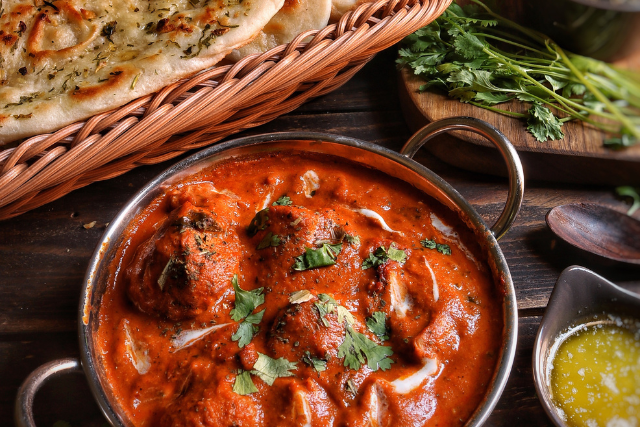
1. Chicken Tikka Masala Was Invented in Scotland, Not India
The Bombshell: Yeah. Scotland. Glasgow, to be specific. Not Delhi. Not Punjab. Not anywhere in India.
The Story: In the 1960s, a customer at a Glasgow restaurant complained that his chicken tikka was too dry. The chef (who was from Pakistan) quickly whipped up a sauce using tomato soup, cream, and spices. Boom. Chicken Tikka Masala was born.
But It Feels So Indian? Because it is! The chef used Indian cooking techniques and spices. But the dish itself? Created in the UK to suit British tastes. It’s now Britain’s national dish (yes, really). Some historians argue it was created in Delhi. But the Glasgow story has more evidence. Either way, it’s not ancient Indian cuisine like we thought.
The Irony: Indians worldwide think it’s authentic Indian food. The British think they discovered it. Neither is right. It’s a cross-cultural accident that became iconic.
2. India Consumes the Least Meat Per Person in the World (But We Invented Some of the Best Meat Dishes)
The Numbers: India’s per capita meat consumption is around 7 kg per year. Compare that to the USA (124 kg), Australia (111 kg), or even China (63 kg). We’re dead last.
Why?
- Huge vegetarian population (around 40%)
- Religious beliefs (Hinduism, Jainism)
- Cultural food habits
- Economic factors
The Irony: Despite being the world’s lowest meat consumers, India gave the world butter chicken, rogan josh, Hyderabadi biryani, Galouti kebab, Tandoori chicken, and countless other meat dishes that people globally are obsessed with.
Fun Fact: India is also the world’s largest beef exporter (buffalo meat, not cow). So we export what we don’t eat. Business is business.
3. The World’s Spiciest Chili is From India (And It’s Weaponized)
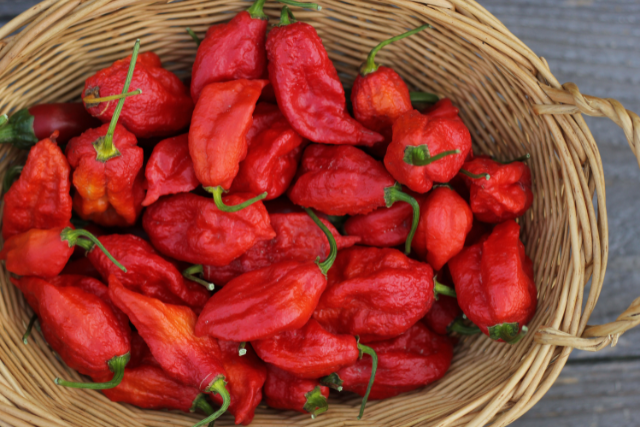
The Chili: Bhut Jolokia (Ghost Pepper) from Northeast India
How Spicy? Over 1 million Scoville Heat Units. For context, a jalapeño is 2,500-8,000 SHU. This thing is 200x hotter.
Where’s It From? Assam, Nagaland, Manipur. Locals use it in cooking, but sparingly. Like, one tiny piece in a huge pot of curry.
The Weaponization Part: The Indian military uses Bhut Jolokia in chili grenades for crowd control and to flush out terrorists from hideouts. It’s literally a weapon.
Can You Eat It? Yes, but why would you? People do it for challenges and immediately regret everything. There are videos. They’re painful to watch.
Other Indian Chilies That’ll Destroy You:
- Naga Viper (also from Northeast India)
- 7 Pot Douglah (Indian origin, cultivated elsewhere)
Pro Tip: If you ever visit Northeast India and someone offers you “local chili,” proceed with extreme caution.
4. Chai Was Originally Medicinal, Not a Drink
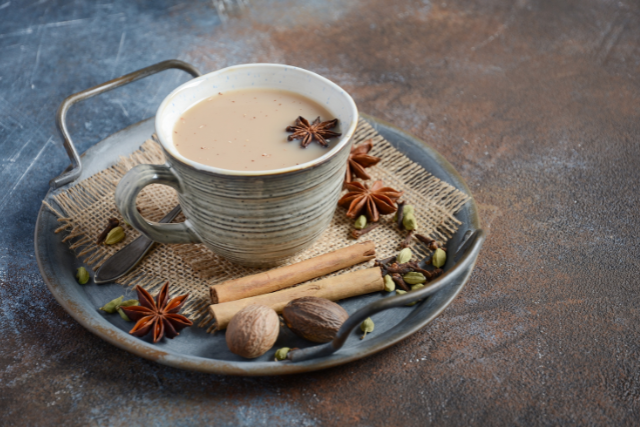
The Origin: Chai (tea with spices) started as an Ayurvedic remedy over 5,000 years ago. It wasn’t meant to be a daily drink—it was medicine.
What Was It For? The spices (ginger, cardamom, cloves, black pepper) were used to boost immunity, aid digestion, and treat various ailments. You drank it when you were sick, not for fun.
When Did It Become “Chai”? The British introduced tea cultivation in India in the 1830s. Indians added their traditional medicinal spices to it, and modern masala chai was born.
The Plot Twist: Pure tea (without spices) isn’t even traditionally Indian. We took a British import and made it ours by spicing it up. And now the world thinks chai is 100% Indian.
Bonus Fact: The word “chai” just means “tea.” So when foreigners say “chai tea,” they’re literally saying “tea tea.”
5. India Produces 70% of the World’s Spices But Imports Black Pepper
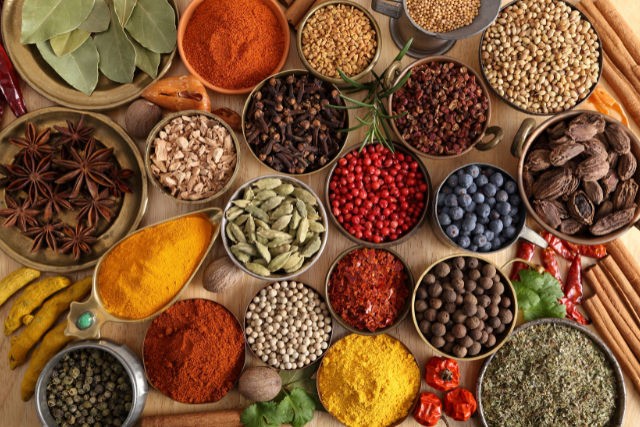
Wait, What? India is the spice capital of the world. We grow turmeric, cardamom, cumin, coriander, chili, you name it. But black pepper? We import it from Vietnam.
How Does This Make Sense? We do grow black pepper (Kerala is famous for it), but not enough to meet domestic demand. We consume so much that we have to import from Vietnam, which is now the world’s largest black pepper producer.
The Irony: Black pepper is literally called “Kali Mirch” in Hindi and has been traded from India for thousands of years. Ancient traders called it “black gold.” And now? We’re buying it from Vietnam.
Other Weird Import: We also import cashews even though we’re one of the top cashew producers. Why? Because we export the good ones and import cheaper ones for domestic use.
6. Samosas Are Originally From the Middle East
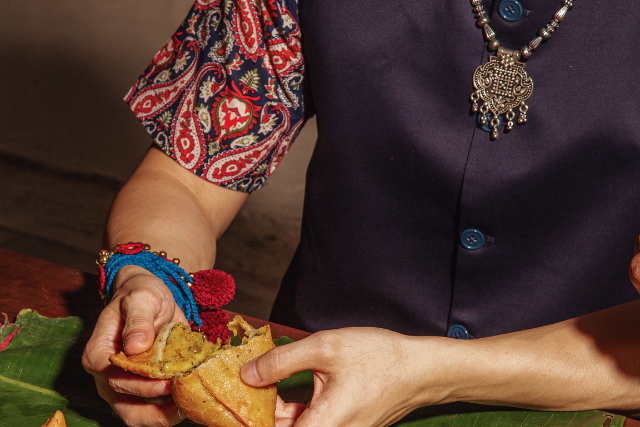
The Truth Bomb: Samosas didn’t originate in India. They came from the Middle East (Persia, modern-day Iran) around the 10th century.
How Did They Get Here? Traders and travelers brought them along the Silk Road. The original version was called “sambosa” and had minced meat, not potatoes.
When Did Potatoes Enter the Chat? Potatoes came to India from the Americas via the Portuguese in the 17th century. Before that, samosas in India were filled with meat, lentils, or dried fruits.
So Everything We Know is a Lie? Kind of. The samosa we know and love (potato-filled, deep-fried, served with chutney) is Indian. But the concept? Imported.
Other “Indian” Foods That Aren’t:
- Jalebi (Persian origin)
- Gulab Jamun (possibly Persian or Turkish)
- Dal (Central Asian origin, refined in India)
The Takeaway: Indian food is a beautiful remix of global influences. We just perfected everything.
7. There’s a Temple in Tamil Nadu That Serves 1 Lakh People Daily for FreeStrategic MICE Solutions
The Place: Tirumala Tirupati Devasthanams (Tirupati Temple), Andhra Pradesh (close to Tamil Nadu)
The Operation: This temple runs the world’s largest free kitchen. Every single day, they serve meals to over 1 lakh (100,000) people. For free. No questions asked.
What Do They Serve? Simple South Indian meals—rice, sambar, rasam, curd, pickle. Sometimes pulao or sweet pongal on special days.
How Is This Possible? Donations. The temple is incredibly wealthy (pilgrims donate generously), and the food program is funded entirely by devotees.
The Scale:
- 30,000+ kg of rice per day
- 15,000+ liters of dal
- Thousands of volunteers and cooks
- Multiple serving halls operating simultaneously
Can Anyone Eat? Yes. Devotees, tourists, locals, homeless—everyone is welcome. It’s called “Annadanam” (giving food), and it’s considered one of the highest forms of charity.
Why This Matters: In a country where food security is still an issue, this temple feeds more people daily than most government programs.
8. India Has 31 Different Types of Biryani
The Count: At least 31 distinct regional variations. Some food historians say it’s more. We’re going with 31 because that’s already insane.
Some Famous Ones:
- Hyderabadi Biryani (the OG)
- Lucknowi/Awadhi Biryani
- Kolkata Biryani (with potato and egg)
- Ambur Biryani (Tamil Nadu)
- Thalassery Biryani (Kerala)
- Dindigul Biryani (Tamil Nadu)
- Sindhi Biryani (Pakistan, but popular in India too)
- Memoni Biryani (Gujarat)
- Kalyani Biryani (Hyderabad variant)
- Bhatkali Biryani (Karnataka)
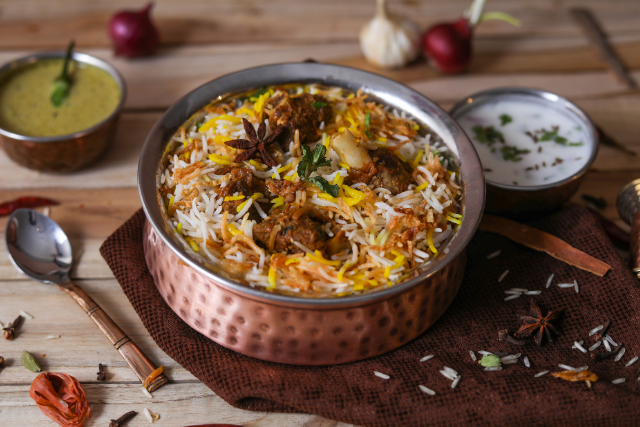
The Differences: Rice type, spice mix, meat cut, cooking method (dum vs. open), layering style, accompaniments. Every region swears theirs is the best.
The Debates: Hyderabadi vs. Lucknowi is a war. Kolkata biryani having potato is controversial. Whether it’s “biryani” or “pulao” can end friendships.
Fun Fact: There are vegetarian biryanis too, but purists refuse to acknowledge them. “It’s just pulao,” they say. The debate continues.
9. The Fork Was Banned in Ancient India (For a Legit Reason)
The Claim: Ancient Indians didn’t use forks, spoons, or chopsticks. Everything was eaten with hands. And this wasn’t primitive—it was intentional.
The Ayurvedic Reason: According to Ayurveda, the five fingers represent the five elements (fire, air, space, earth, water). Eating with your hands activates these elements and aids digestion. Your fingers also have nerve endings that signal your brain about the food’s temperature and texture before it enters your mouth.
The Science: Modern research actually backs this up. Eating with hands engages more senses, improves mindfulness, and may help regulate portion sizes. Plus, the natural bacteria on your hands (when clean) can aid gut health.
When Did Cutlery Arrive? British colonization brought forks and spoons. Urban India adopted them, but rural India and traditional households still prefer hands.
The Modern Reality: Most Indians use hands for roti-sabzi or rice-dal and cutlery for pasta or soup. We code-switch with food too.
10. India’s Most Expensive Dish Costs ₹1 Lakh Per Plate
The Dish: Gold Leaf Biryani
Where: Multiple luxury restaurants in Mumbai, Delhi, and Bengaluru offer versions, but the most famous is in Bengaluru.
What’s In It? Regular biryani ingredients—rice, meat, spices. But then they add:
- 23-karat edible gold leaf (covers the entire dish)
- Saffron from Kashmir (the expensive kind)
- Rare spices
- Premium meat
- Served in silver or gold-plated bowls
Does Gold Even Taste Good? No. Gold is tasteless. You’re literally eating it just to flex.
Who Orders This? Rich people celebrating special occasions, influencers looking for content, or people who’ve run out of ways to spend money.
Is It Worth It? Absolutely not. But that’s not the point. The point is that you can afford a ₹1 lakh plate of rice. That’s the flex.
Other Expensive Indian Dishes:
- Gold Dosa (₹1,000+)
- Truffle Butter Chicken (₹5,000+)
- Caviar Pani Puri (why does this exist?)
Bonus Facts (Because We Can’t Stop)
11. India Invented Sugar Sugarcane was first domesticated in India. The word “sugar” comes from Sanskrit “sharkara.” So yeah, we invented sweetness.
12. Papad Can Last 2 Years Without Refrigeration Properly dried papad can be stored for up to 2 years. It’s basically edible cardboard that somehow becomes delicious when fried.
13. India Has a Breakfast Dish Named After the British “Bread Pakora” is literally British bread (white bread) dipped in Indian batter and fried. Peak post-colonial fusion food.
14. The World’s Largest Restaurant Kitchen is in Amritsar Golden Temple’s langar serves 1 lakh+ people daily with a completely volunteer-run kitchen. No one gets paid. It’s pure community service.
15. Indians Eat More Dairy Than Almost Any Country We’re vegetarians who love milk, paneer, ghee, curd, lassi, kheer. Our dairy consumption is massive despite many being lactose intolerant (we just power through).
Why These Facts Matter (Or Don’t)
Look, knowing that samosas are Persian doesn’t make them less delicious. Finding out chicken tikka masala is British doesn’t change the fact that it slaps.
But these facts remind us that food is never just food. It’s history, culture, science, and identity all mixed together. Indian cuisine is a beautiful, chaotic blend of influences, innovations, and accidents that became traditions.
And honestly? That makes it even better.
The Real Takeaway
Indian food isn’t about purity or authenticity. It’s about taking whatever comes our way—Persian sambosas, British tea, Portuguese potatoes—and making it so undeniably Indian that the world forgets where it came from.
That’s the real flex.