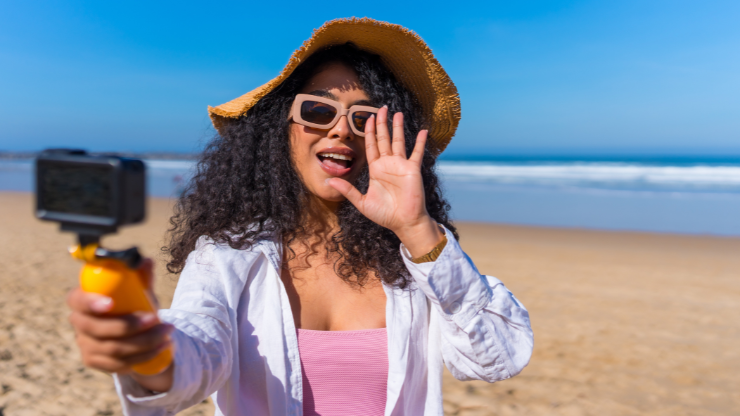
A single reel can make thousands of people add a destination to their bucket list. One aerial shot of a turquoise coastline, one perfectly timed sunset, one caption that says “hidden gem” — and suddenly a quiet town becomes the most-searched place on the internet.
But here’s the question worth asking: when a place goes viral, are we seeing the real destination, or just a carefully cropped version of it?
The Power Influencers Actually Have
This isn’t a small trend anymore — it’s how most people plan trips now. Industry reports from early 2026 show that more than 70% of Gen Z and Millennial travellers discover destinations through content creators before booking anything else.
And the scale is massive. The global influencer marketing industry has crossed $32 billion, with travel content consistently ranking among the most-engaged categories on Instagram and TikTok.
Sometimes it’s not even a dedicated travel influencer. In 2025, a single mention of Saskatchewan in a viral song by singer Chappell Roan caused a noticeable spike in searches and travel inquiries for the Canadian province. A meme by a TikTok creator brought renewed attention to Pakistan as a destination. Pop culture and travel content have basically merged.
So What’s the Problem?
The issue isn’t that influencers show beautiful places — it’s how they show them, and what gets left out.
- The “one perfect angle” problem That dreamy rooftop photo in Santorini? Hundreds of tourists are often lined up just out of frame, waiting for their turn at the exact same spot. The shot looks peaceful. The reality is a queue.
- Overtourism is becoming a real crisis Santorini is a textbook example. The island has around 15,500 permanent residents, but receives roughly 3.4 million tourist visits a year in peak season — with cruise ship arrivals sometimes exceeding 17,000 passengers in a single day, against a capacity local authorities say the island can realistically handle (around 8,000 daily cruise arrivals). Viral content didn’t cause this alone, but it didn’t help either.
- Infrastructure under pressure This isn’t just about crowded streets. In September 2025, one of Lisbon’s iconic funicular trams derailed, resulting in 16 fatalities — a tragedy that experts linked, in part, to the strain of constant heavy use on ageing infrastructure. It’s a stark reminder that “popular” doesn’t always mean “prepared.”
- The list keeps growing Fodor’s 2026 travel guide flagged several destinations — including Antarctica, the Canary Islands, and Montmartre in Paris — as places facing serious overtourism pressure. Meanwhile, global tourist arrivals were already up 5% in the first half of 2025 compared to the previous year, surpassing pre-pandemic levels.
Is There a Shift Happening?
Interestingly, yes — and it’s coming from audiences themselves.
A growing trend called “de-influencing” is gaining traction in 2025-2026. People are getting tired of overly polished, too-perfect content. Instead, they’re gravitating toward creators who show the full picture — the crowds, the costs, the “this wasn’t quite what I expected” moments alongside the beautiful ones.
This shift is actually working in everyone’s favour. More honest content builds more trust, not less. For travellers, it means fewer disappointing surprises. For destinations, it means visitors arrive with realistic expectations — which usually leads to better behaviour and less strain on local communities.
So, Are Influencers “Doing It Justice”?
The honest answer: it depends on the creator.
A reel that shows only the empty-looking viewpoint, with no context about timing, crowds, or local impact, isn’t lying exactly — but it isn’t giving the full story either. On the other hand, creators who spend real time in a place, talk to locals, and show both the magic and the mess are doing something genuinely useful: helping people travel better, not just travel more.
What This Means for You as a Traveller
Before adding a viral spot to your bucket list, a little extra digging goes a long way:
- Look for multiple sources — not just one viral post, but a few different creators’ takes on the same place.
- Check the timing — that empty beach shot was probably taken at 5 AM. Plan accordingly.
- Read beyond the caption — comments and reviews often reveal what the reel doesn’t show.
- Consider visiting during off-peak times — better for you, and better for the place you’re visiting.
The Bottom Line
Influencers aren’t villains — they’ve opened up the world to people who never thought a place was “for them.” But virality rewards beauty, not balance. A destination can go viral in a day, but the people living there deal with the consequences long after the trend fades.
The next time a reel makes you want to book a flight, it’s worth asking: am I excited about this place, or just this 15-second version of it? The answer might change how — and when — you go.